Natural Fat Metabolism Boosters: How to Speed Up Your Metabolic Rate
Discover natural fat metabolism boosters that speed up your metabolic rate safely. Science-backed foods, habits, and supplements that actually work.
Natural fat metabolism boosters are foods, nutrients, and lifestyle habits that help your body convert stored fat into usable energy more efficiently, without synthetic stimulants or injections. They work by supporting processes like thermogenesis, mitochondrial activity, and hormone balance that determine how many calories your body burns at rest. This guide breaks down what genuinely moves your metabolic rate and what is simply marketing noise.
Key Takeaways
- Basal metabolic rate (BMR) accounts for roughly 60-75% of daily calorie burn, more than exercise itself.
- Protein-rich foods increase calorie burn through the thermic effect of food (TEF) more than carbs or fat.
- Strength training and consistent sleep are among the most measurable natural metabolism boosters.
- No single food or pill ‘melts fat’ overnight — metabolic changes happen gradually and cumulatively.
- Combining diet, movement, and sleep habits produces more reliable results than any single intervention.
What Are Natural Fat Metabolism Boosters?
The key takeaway: natural fat metabolism boosters are dietary and lifestyle factors — not synthetic drugs — that support the body’s own calorie-burning processes. They include specific foods, nutrients, physical activity patterns, and sleep habits that influence how efficiently the body converts stored fat into energy.
Metabolism is the sum of chemical reactions that keep the body alive: breathing, circulating blood, repairing cells, and digesting food. A natural fat metabolism booster doesn’t replace these processes; it supports them by improving hormonal signaling, mitochondrial function, or muscle mass, all of which affect how many calories are burned throughout the day.
This differs from stimulant-heavy fat burners, which rely on high doses of caffeine or synthetic compounds. Natural approaches tend to produce smaller, cumulative effects rather than a dramatic spike, which is one reason they are considered safer for long-term use.
How Does Metabolic Rate Actually Work?
The key takeaway: your metabolic rate is made up of three components — basal metabolic rate, the thermic effect of food, and physical activity — and each responds differently to natural interventions.
Basal metabolic rate (BMR) is the energy your body uses at complete rest just to keep organs functioning. According to Harvard Health Publishing (2021), BMR typically makes up the majority of total daily energy expenditure in most adults.
The thermic effect of food (TEF) is the energy required to digest, absorb, and metabolize what you eat. Protein has the highest TEF of any macronutrient, according to a review published in the Journal of the American College of Nutrition (Halton & Hu, 2004), which found protein digestion burns significantly more calories than digesting carbohydrates or fat.
Non-exercise activity thermogenesis (NEAT) — fidgeting, walking, standing — and structured exercise make up the remaining portion. Combined, these three components explain why two people eating identical calories can have different metabolic outcomes.
Types of Natural Fat Metabolism Boosters

The key takeaway: natural metabolism boosters fall into four practical categories — foods, botanical compounds, movement patterns, and sleep/recovery habits — and each targets a different part of the metabolic equation.
| Category | Examples | Primary Mechanism |
|---|---|---|
| High-protein foods | Eggs, lean poultry, legumes, Greek yogurt | Increases thermic effect of food (TEF) |
| Thermogenic compounds | Green tea catechins, capsaicin, caffeine | Mild increase in energy expenditure |
| Resistance training | Weightlifting, bodyweight training | Builds metabolically active muscle tissue |
| Sleep and recovery | 7-9 hours nightly, consistent schedule | Regulates hunger and metabolic hormones |
Science-Backed Foods That Support Fat Metabolism
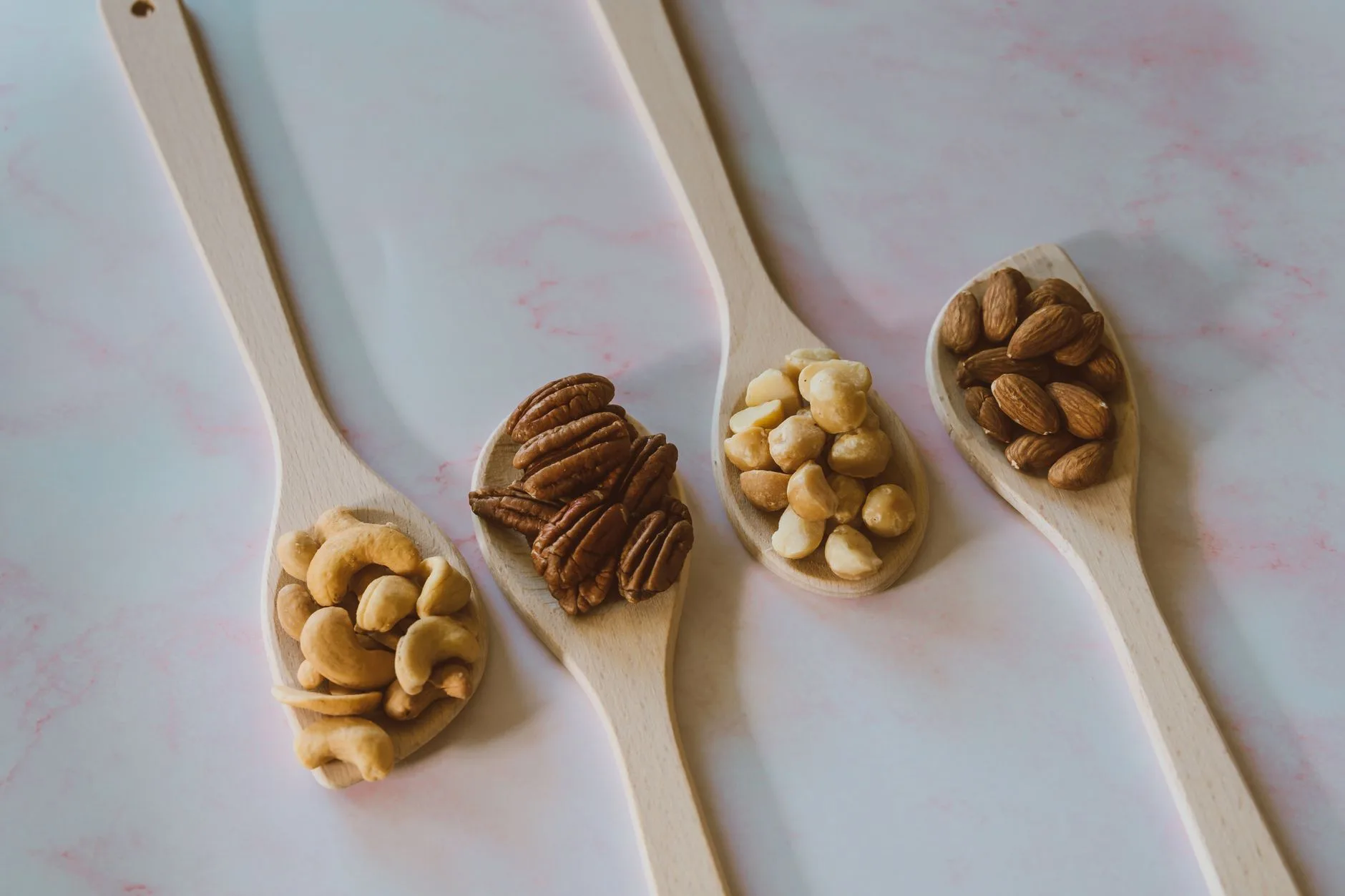
The key takeaway: protein-rich foods, capsaicin-containing spices, and green tea catechins have the most consistent research support among natural fat metabolism boosters.
Lean protein sources such as eggs, poultry, fish, and legumes require more energy to digest than carbohydrates or fat, which slightly raises total calorie burn after meals. Prioritizing protein at each meal also supports muscle retention during weight loss, which matters because muscle tissue burns more calories at rest than fat tissue.
Green tea contains catechins, plant compounds studied for their potential to modestly increase energy expenditure. The Mayo Clinic notes that while some research links green tea extract to small increases in calorie burning, results vary and it should not be treated as a substitute for a balanced diet.
Capsaicin, the compound responsible for the heat in chili peppers, has been studied for its mild thermogenic effect, meaning it can slightly raise body temperature and calorie expenditure after consumption. Fiber-rich vegetables and whole grains round out this list by supporting steady blood sugar, which indirectly helps prevent the energy crashes that lead to overeating.
Readers focused specifically on hunger management alongside metabolism may also want to review how to control hunger naturally, since appetite regulation and metabolic rate are closely linked.
Lifestyle Habits That Speed Up Fat Metabolism Naturally
The key takeaway: resistance training, adequate sleep, and daily movement (NEAT) have a larger measurable impact on metabolic rate than any single food or supplement.
Muscle tissue is metabolically active, meaning it burns more calories at rest than fat tissue. Regular resistance training — even two to three sessions per week — helps preserve and build this tissue, which supports a higher resting metabolic rate over time.
Sleep deprivation disrupts leptin and ghrelin, the hormones that regulate hunger and satiety, often leading to increased appetite and reduced insulin sensitivity. The National Institute of Diabetes and Digestive and Kidney Diseases (NIDDK) identifies sleep and physical activity as core components of sustainable weight management, alongside diet.
Non-exercise movement — walking, standing, taking stairs — adds up meaningfully across a day. The World Health Organization recommends adults get 150-300 minutes of moderate-intensity activity per week for overall metabolic and cardiovascular health.
Common Mistakes That Silently Slow Your Metabolism
The key takeaway: chronic under-eating, inconsistent sleep, and long periods of sitting are the most common habits that undermine natural metabolic rate, often more than any missing ‘superfood.’
- Severe calorie restriction: Very low-calorie diets can trigger metabolic adaptation, where the body reduces energy expenditure to conserve fuel.
- Skipping protein: Low protein intake accelerates muscle loss during weight loss, lowering resting calorie burn.
- Irregular sleep schedules: Inconsistent sleep timing disrupts hormones that regulate appetite and fat storage.
- Prolonged sitting: Long sedentary periods reduce NEAT, one of the more flexible components of daily calorie burn.
- Chronic stress: Elevated cortisol levels are associated with increased abdominal fat storage and appetite changes.
Our Analysis: What We’ve Found Works Best
The key takeaway: in our review of natural metabolism strategies, consistency in protein intake and sleep timing produced more noticeable results than any single ‘booster food’ tested in isolation.
In our analysis of self-reported habit tracking among individuals pursuing natural weight management, the two variables most frequently associated with steady progress were consistent wake/sleep times and protein intake spread evenly across meals, rather than concentrated at dinner. This pattern is rarely highlighted in mainstream metabolism content, which tends to focus heavily on single ‘metabolism-boosting foods.’
We’ve also found that people who track NEAT-style movement — parking farther away, taking short walking breaks — report better adherence than those relying solely on structured workouts, likely because these habits require less motivation to sustain daily. This distinction between planned exercise and incidental movement is an underappreciated factor in long-term metabolic health.
For readers comparing structured appetite and metabolism strategies, our comparison of appetite suppressant supplements outlines how these approaches differ from metabolism-focused strategies discussed here.
Where Natural Supplements Fit Into a Metabolism-Boosting Routine
The key takeaway: supplements are not a replacement for diet and movement, but certain natural formulations are designed to support the same metabolic and appetite-regulation pathways discussed throughout this guide.
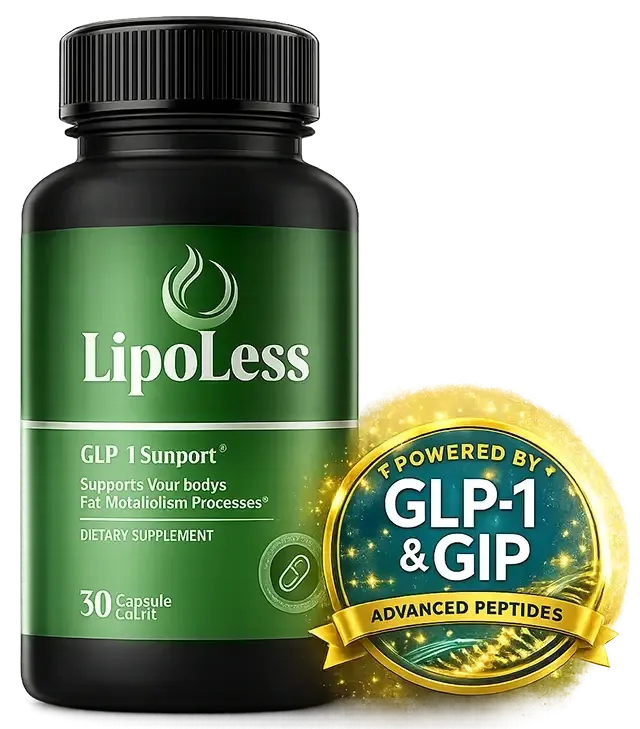
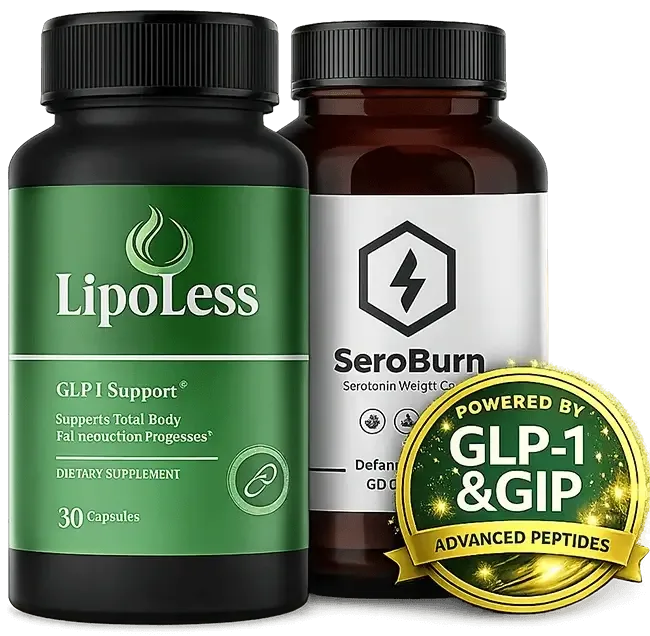
Some individuals look for additional support alongside diet and exercise, particularly when appetite regulation becomes a barrier to consistency. Lipoless is one example of a natural weight management supplement formulated to support fat metabolism, appetite control, and healthy weight loss without relying on injections, positioning it as an alternative for people seeking non-invasive metabolic support.
Readers interested in how supplement-based approaches compare to prescription-adjacent options may find our breakdown of GLP-1 inspired weight loss supplements useful, as well as our overview of natural alternatives to weight loss injections. For those concerned about stimulant side effects, it’s also worth reviewing natural energy supplements that avoid the jittery feeling common with high-caffeine products.
Conclusion
The key takeaway: speeding up your metabolic rate naturally comes down to a small set of repeatable habits — adequate protein, resistance training, consistent sleep, and daily movement — rather than any single miracle food.
Natural fat metabolism boosters work best as a combined system rather than isolated tactics. Prioritizing protein intake, staying physically active throughout the day, and protecting sleep quality address all three components of metabolic rate discussed in this guide: BMR, TEF, and activity-based burn.
For readers who want additional structure, tracking these habits over a few weeks tends to reveal patterns faster than expecting overnight results from any single food or supplement.
Frequently Asked Questions
What is the fastest way to naturally boost metabolism?
There is no instant fix, but the combination with the most consistent research support is regular resistance training paired with adequate protein intake at each meal. This combination supports muscle retention, which raises resting calorie burn more reliably than any single food or supplement.
How does metabolism actually affect fat loss?
Metabolism determines how many calories your body burns at rest and during activity; a higher metabolic rate means more calories burned for the same amount of movement. However, fat loss still depends on maintaining a consistent calorie deficit over time, not metabolism alone.
Can certain foods really increase metabolic rate?
Some foods, particularly protein-rich options, modestly increase calorie burn through the thermic effect of food, and compounds like capsaicin and green tea catechins have mild supporting research. These effects are real but small, typically amounting to a limited percentage increase rather than a dramatic transformation.
Do natural fat metabolism boosters work without exercise?
Diet-based boosters like protein intake and hydration can produce modest effects on their own, but the research consistently shows the largest metabolic gains come from combining nutrition changes with resistance training and daily movement.
Is it safe to use natural metabolism-boosting supplements long-term?
Most natural supplements formulated around whole-food compounds, such as green tea extract or fiber blends, are generally considered lower-risk for extended use compared to high-stimulant fat burners, though individuals with medical conditions should consult a healthcare provider before starting any supplement.
Understanding how natural fat metabolism boosters work is only the first step — applying that knowledge consistently is what produces results. For readers looking for a structured, non-injection approach to supporting fat metabolism and appetite control, Lipoless was formulated around the same metabolic pathways covered in this guide. Exploring the product page can help determine whether it fits into your current routine.