natural alternatives to weight loss injections: comparison
Natural alternatives to weight loss injections compared: supplements, fiber, and lifestyle methods vs. GLP-1 shots. See which fits your goals.
Natural alternatives to weight loss injections include appetite-supporting supplements, high-fiber and protein strategies, and structured lifestyle changes — options that work with your body’s own metabolism instead of relying on prescription GLP-1 shots. This comparison breaks down how these two paths differ in cost, effectiveness, side effects, and who each one suits best.
Weight loss injections such as semaglutide and tirzepatide have dominated headlines, but they are not the only route to sustainable fat loss. Understanding the trade-offs helps you choose an approach that matches your health profile, budget, and long-term goals.
Key Takeaways
- Natural alternatives to weight loss injections center on appetite control, metabolic support, and behavior change — no needles or prescriptions required.
- Injections tend to produce faster short-term results but carry higher costs and a documented side-effect profile.
- Natural methods are lower-risk and more affordable, though they typically require more consistency and patience.
- Many people combine approaches: using natural supplements and habits to maintain results or as a first step before medical options.
What Are Weight Loss Injections?

The key takeaway: Weight loss injections are prescription medications — mostly GLP-1 receptor agonists — that mimic gut hormones to reduce appetite and slow digestion.
Drugs like semaglutide (Wegovy, Ozempic) and tirzepatide (Zepbound, Mounjaro) signal the brain to feel full sooner and for longer. According to the National Institutes of Health research summaries, GLP-1 medications can lead to meaningful body-weight reduction in clinical settings when paired with diet and activity.
These are medical interventions requiring a prescription, ongoing monitoring, and often weekly self-injection. They address the biological hunger signal directly, which explains their strong short-term appetite effects.
What Counts as a Natural Alternative?
The key takeaway: Natural alternatives use food, fiber, plant compounds, and habit change to influence the same appetite and metabolism pathways — without pharmaceutical hormones.
The most evidence-backed natural alternatives to weight loss injections fall into three categories: dietary strategies, supplements, and lifestyle adjustments.
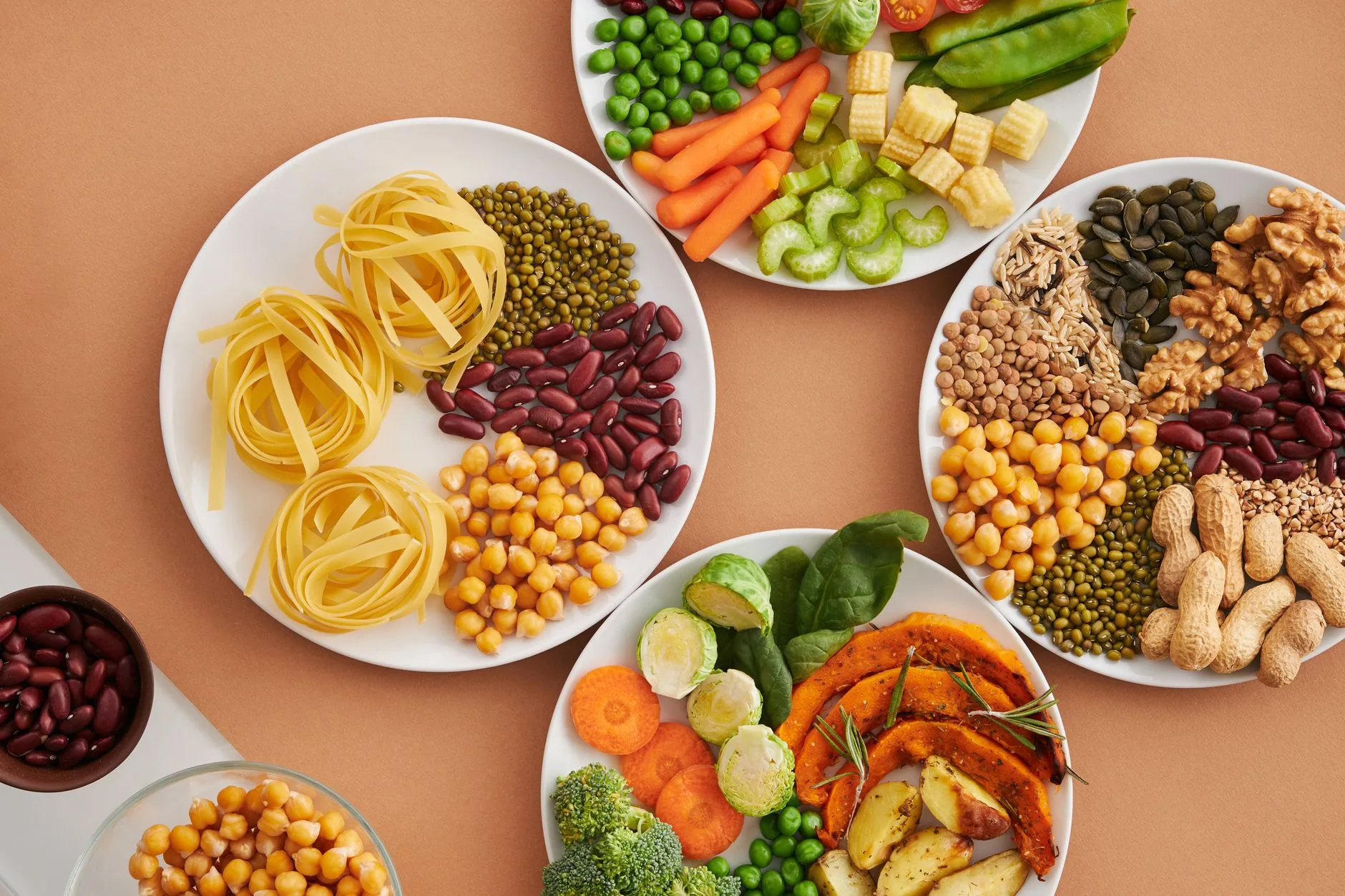
- Fiber-forward eating: Soluble fibers like glucomannan and psyllium expand in the stomach, increasing fullness. The PubMed Central research database hosts multiple trials linking viscous fiber to reduced calorie intake.
- Protein prioritization: Higher protein intake increases satiety hormones and preserves lean mass during a deficit.
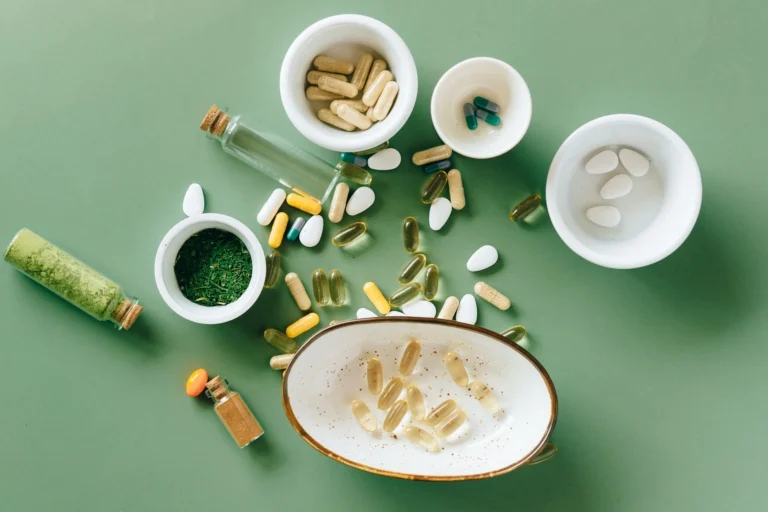
- Metabolic-support supplements: Ingredients such as green tea catechins, chromium, and caffeine are studied for modest thermogenic and appetite effects.
- Lifestyle levers: Sleep quality, resistance training, and stress management all shift the hormones that govern hunger and fat storage.
In our analysis of the two paths, natural methods share a common trait: they nudge the body’s existing systems rather than override them chemically.
Side-by-Side Comparison: Natural Alternatives vs. Weight Loss Injections
The key takeaway: Injections win on speed; natural alternatives win on cost, safety, and sustainability.
| Criteria | Natural Alternatives | Weight Loss Injections |
|---|---|---|
| Cost | Low to moderate (supplements, food) | High — often hundreds per month (estimated) |
| Speed of Results | Gradual, over weeks to months | Faster, often within weeks |
| Access | No prescription needed | Prescription and medical oversight required |
| Side Effects | Generally mild when used correctly | Nausea, GI upset, potential injection-site reactions |
| Sustainability | Habit-based, easier to maintain long-term | Weight often returns after stopping |
| Ease of Use | Pills, food, and daily routines | Weekly self-injection |
The U.S. Food and Drug Administration consumer updates note that stopping GLP-1 medication frequently leads to regained weight, underscoring why sustainability matters in any comparison.
Natural Alternatives: Pros and Cons
The key takeaway: Natural methods are accessible and low-risk but reward consistency over quick wins.
Pros
- No prescription or needles
- Lower ongoing cost
- Milder side-effect profile
- Builds durable habits
- Supports overall metabolic health
Cons
- Slower, more gradual results
- Requires daily consistency
- Supplement quality varies widely
- Less effective for severe obesity alone
Weight Loss Injections: Pros and Cons
The key takeaway: Injections deliver rapid appetite suppression but at a higher financial and side-effect cost.
Pros
- Strong, fast appetite reduction
- Clinically studied outcomes
- Medical supervision included
- Effective for higher BMI ranges
Cons
- High recurring cost
- Common GI side effects
- Requires injections and monitoring
- Weight often returns after discontinuation
Who Should Choose Natural Alternatives
The key takeaway: Natural alternatives suit people seeking a sustainable, lower-risk, needle-free path with moderate weight goals.
You are a strong candidate for natural alternatives to weight loss injections if you want to avoid prescriptions, prefer to build lasting habits, or are managing modest amounts of weight. They also fit those who have finished a medical protocol and want a maintenance strategy.
We’ve found that pairing a fiber-and-protein eating pattern with a metabolism-supporting supplement and resistance training produces the most consistent long-term outcomes for this group.
Who Should Choose Weight Loss Injections
The key takeaway: Injections are best for people with higher BMI or clinical conditions who need faster medical intervention under supervision.
Prescription injections may be appropriate when obesity carries metabolic health risks such as type 2 diabetes, or when lifestyle changes alone have not worked. This is a decision to make with a qualified healthcare provider.
Health disclaimer: This article is informational and not medical advice. Consult a licensed healthcare professional before starting any supplement, medication, or weight loss program — especially if you have existing conditions or take other medicines.
Our Verdict: The Unbiased Winner
The key takeaway: For most people starting their journey, natural alternatives are the smarter first step — and our editorial pick.
🏆 Winner Natural alternatives edge ahead for the majority of readers because they combine low risk, affordability, and long-term sustainability. Injections remain valuable for specific medical cases, but they are neither a starting point nor a permanent solution for everyone.
Here is the unique insight from our review: the most successful outcomes rarely come from picking one lane exclusively. In practice, natural strategies often serve as the foundation that makes any weight loss result — medical or not — actually stick after the intervention ends.
Frequently Asked Questions
What is the most effective natural alternative to weight loss injections?
No single item replaces medication, but the strongest results come from combining soluble fiber, adequate protein, resistance training, and a metabolism-supporting supplement. Consistency matters more than any one product.
Do natural weight loss supplements actually work?
Quality supplements with studied ingredients like glucomannan, green tea catechins, or chromium can support appetite control and metabolism modestly. They work best alongside diet and exercise, not in isolation.
Are natural alternatives safer than weight loss injections?
Generally, yes — reputable natural options have milder side-effect profiles than GLP-1 medications. Still, supplement quality varies, so choose transparent, well-formulated products and consult a professional.
How long do natural alternatives take to show results?
Most people notice changes over several weeks to a few months, depending on consistency. The trade-off for slower results is greater sustainability and lower risk.
Can I use natural methods after stopping weight loss injections?
Yes — natural strategies are widely used as a maintenance plan to prevent the weight regain commonly reported after discontinuing GLP-1 medications.
Conclusion
In summary: Natural alternatives to weight loss injections offer a lower-cost, lower-risk, sustainable route that suits most people starting out, while injections serve specific medical needs under supervision.
Choose the path that matches your health profile and goals — and remember that lasting results depend on habits, not just tools. For many readers, a natural-first approach delivers the best balance of safety, affordability, and staying power.
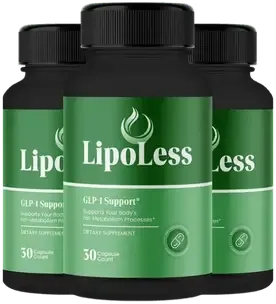
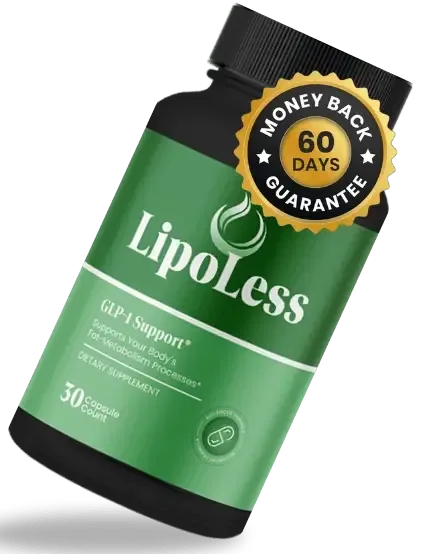
If you are exploring a needle-free route, Lipoless is a natural weight-management supplement formulated to support fat metabolism, appetite control, and healthy weight loss — an editorial fit for readers who want a metabolic-support option without injections. With a 4.9-star average customer rating, it reflects the kind of consistent, habit-supporting approach this comparison recommends.