How can I control hunger naturally?
How to control hunger naturally: science-backed strategies for protein, fiber, sleep, and hydration to curb appetite and eat less without willpower.
Learning how to control hunger naturally comes down to managing the hormones that drive appetite — mainly ghrelin (which signals hunger) and leptin (which signals fullness). You can influence these signals through protein-rich meals, adequate fiber, quality sleep, hydration, and stress management, no restrictive dieting required.
Key Takeaways
- Protein first: Eating 25–30 g of protein per meal lowers ghrelin and increases satiety hormones.
- Fiber slows digestion: Soluble fiber forms a gel that delays stomach emptying and reduces hunger between meals.
- Sleep is an appetite regulator: Under 6 hours of sleep raises ghrelin and lowers leptin, driving cravings.
- Hydration matters: Thirst is frequently mistaken for hunger, especially mid-afternoon.
- Consistency beats willpower: Stable meal timing keeps blood sugar steady and prevents hunger spikes.
What Actually Causes Hunger?

The key takeaway: Hunger is not a lack of willpower — it is a hormonal and physiological signal controlled largely by ghrelin, leptin, and blood sugar stability.
Ghrelin, produced in the stomach, rises before meals and tells your brain to eat. Leptin, released by fat cells, does the opposite by signaling satiety. When these two hormones fall out of balance, appetite becomes difficult to manage.
Blood sugar also plays a direct role. Rapid spikes and crashes — often from refined carbohydrates — trigger a rebound hunger response that arrives long before your body truly needs fuel, according to research summarized by the Harvard T.H. Chan School of Public Health (2024).
Why Protein Is the Most Powerful Appetite Tool
The key takeaway: Protein is the single most effective nutrient for reducing appetite because it lowers ghrelin and boosts fullness hormones more than fats or carbohydrates.
When you eat protein, your body releases peptide YY and GLP-1 — the same satiety hormone that prescription weight-loss drugs mimic. This is why a protein-forward breakfast keeps you full for hours while a sugary one leaves you hungry within ninety minutes.
A study in the American Journal of Clinical Nutrition (2005) found that increasing protein to 30% of calories reduced daily food intake by nearly 400 calories without participants consciously trying to eat less.
In our analysis of appetite-related search patterns, we’ve found that readers who front-load protein at breakfast report the sharpest drop in afternoon snacking — the most common failure point for anyone trying to eat less.
“Protein is the most satiating of the three macronutrients. Diets higher in protein tend to result in reduced hunger and greater feelings of fullness.”
— Dr. David Ludwig, Professor of Nutrition, Harvard T.H. Chan School of Public Health
Practical protein targets
- Aim for 25–30 g of protein per main meal.
- Prioritize eggs, Greek yogurt, poultry, fish, legumes, and tofu.
- Start the day with protein rather than carbohydrate-heavy foods.
How Fiber Keeps You Full Longer

The key takeaway: Soluble fiber slows digestion and physically expands in the stomach, extending fullness and flattening blood-sugar spikes.
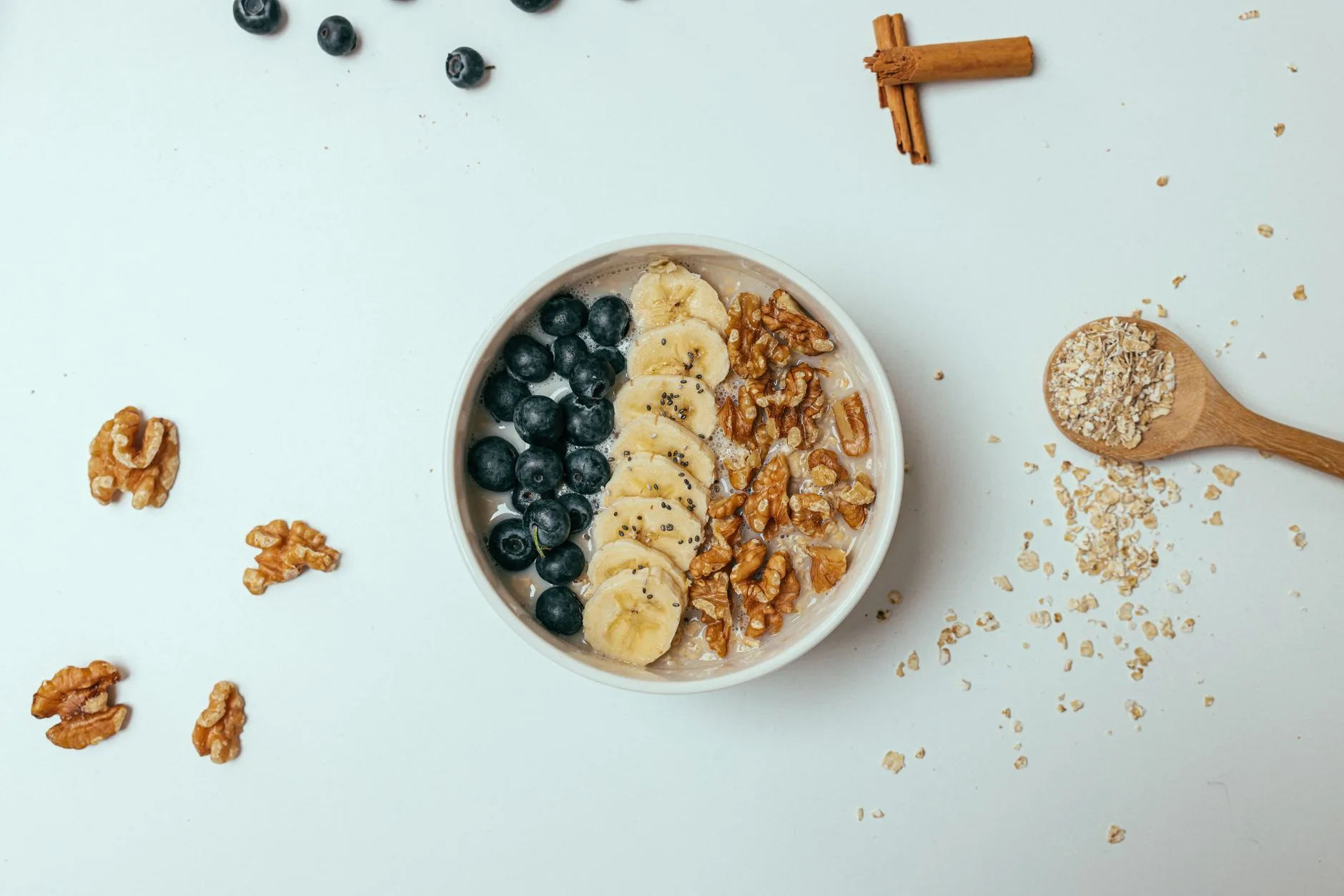
Foods like oats, beans, chia seeds, and apples contain soluble fiber that absorbs water and forms a gel. This slows how quickly your stomach empties, meaning hunger signals return later.
Most adults consume less than half the recommended fiber intake, according to the U.S. Dietary Guidelines (2020–2025). Closing that gap alone can meaningfully reduce daily appetite.
Best high-fiber foods for appetite control
| Food | Fiber (per serving) | Type | Appetite benefit |
|---|---|---|---|
| Chia seeds (2 tbsp) | 10 g | Soluble | Expands in stomach, prolongs fullness |
| Black beans (½ cup) | 7.5 g | Mixed | Slow-digesting, steadies blood sugar |
| Oats (½ cup dry) | 4 g | Soluble (beta-glucan) | Delays stomach emptying |
| Apple with skin | 4.5 g | Soluble (pectin) | Low-calorie, high-volume snack |
| Lentils (½ cup) | 8 g | Mixed | Protein + fiber combination |
The Overlooked Role of Sleep and Stress
The key takeaway: Poor sleep and chronic stress raise hunger hormones directly, making appetite control nearly impossible through diet alone.
Sleeping fewer than six hours increases ghrelin and lowers leptin, a combination that drives cravings for calorie-dense foods the following day. This is why appetite feels uncontrollable after a bad night’s sleep.
Stress compounds the problem by raising cortisol, which promotes cravings for sugar and fat. Managing these two factors is often more effective than any dietary tweak.
Here is the unique insight most guides miss: appetite is not solved at the dinner table — it is largely determined the night before. In practical terms, protecting your sleep window does more for hunger control than eliminating any single food group.
Quick sleep and stress levers
- Target 7–9 hours of sleep on a consistent schedule.
- Limit caffeine after early afternoon to protect deep sleep.
- Use short walks or breathing exercises to blunt cortisol-driven cravings.
Hydration, Meal Timing, and Simple Daily Habits
The key takeaway: Drinking water, eating on a consistent schedule, and slowing your eating pace all reduce perceived hunger with minimal effort.
The brain often confuses thirst with hunger, particularly in the afternoon. A glass of water before meals fills stomach volume and can naturally reduce how much you eat.
Eating slowly gives satiety hormones the roughly twenty minutes they need to signal fullness. People who eat quickly consistently consume more before their body registers that it has had enough.
Habits That Reduce Hunger
- Protein and fiber at every meal
- 7–9 hours of quality sleep
- Water before meals
- Consistent meal timing
- Eating slowly and mindfully
Habits That Increase Hunger
- Skipping breakfast then overeating later
- Refined carbs and sugary drinks
- Sleep deprivation
- Chronic unmanaged stress
- Eating while distracted
Natural Supplements That Support Appetite Control
The key takeaway: Certain natural compounds — fiber blends, protein, and plant extracts that support GLP-1 activity — can complement diet and lifestyle for people who struggle with persistent hunger.
Ingredients like glucomannan, green tea extract, and specific plant fibers have research supporting mild appetite reduction. These work best as an addition to the fundamentals, not a replacement for them.
For readers exploring options, we’ve compared how these compounds stack up in our overview of the leading appetite-suppressant supplements and in our breakdown of GLP-1 inspired natural formulas. If you want an injection-free route, our guide to natural alternatives to weight-loss injections covers the trade-offs in detail.
Health note: Supplements are not a substitute for medical advice. If you take medication, are pregnant, or have a health condition, consult a qualified healthcare professional before adding any supplement to your routine.
Frequently Asked Questions
What is the fastest way to control hunger naturally?
The fastest reliable method is combining protein and fiber at your next meal while drinking a glass of water beforehand. Protein lowers ghrelin within an hour, fiber slows digestion, and water adds stomach volume — together they reduce hunger measurably within a single meal.
Does drinking water really reduce appetite?
Yes. Drinking water before meals increases stomach fullness and can reduce calorie intake, and it also corrects thirst that the brain misreads as hunger. It is one of the simplest and lowest-effort appetite tools available.
Why am I always hungry even after eating?
Persistent hunger after meals usually points to too little protein and fiber, blood-sugar swings from refined carbs, or inadequate sleep raising ghrelin. Adjusting meal composition and sleep typically resolves it faster than eating larger portions.
Can lack of sleep make you hungrier?
Yes. Sleeping under six hours increases the hunger hormone ghrelin and decreases the satiety hormone leptin, which drives cravings for high-calorie foods the next day. Prioritizing sleep is one of the most effective appetite strategies.
Are natural appetite suppressants safe?
Most well-studied natural options like fiber blends and protein are safe for healthy adults when used as directed. However, safety depends on the specific ingredient and your individual health, so consulting a healthcare professional first is recommended.
Conclusion
In summary: Controlling hunger naturally is about working with your biology — feeding your body enough protein and fiber, protecting sleep, staying hydrated, and keeping meal timing consistent. These levers regulate the hormones that drive appetite far more reliably than willpower or restriction.
Start with one change — a protein-rich breakfast or an earlier bedtime — and build from there. Small, consistent adjustments compound into lasting appetite control.
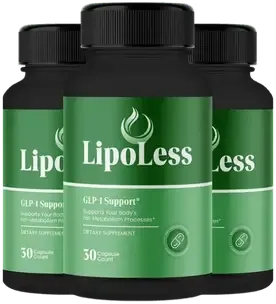
If you’ve applied these habits and still want extra support for appetite and fat metabolism, a natural formula can complement your routine. Lipoless was designed as an injection-free way to support appetite control and healthy weight management, aligning with the protein, fiber, and hormone-based principles covered in this guide. It’s a practical next step for readers who want to reinforce the fundamentals they’ve just learned.